






Baby Lambs in Colonial Williamsburg: Why Their Wobbly Little Legs Mean Spring Has Arrived
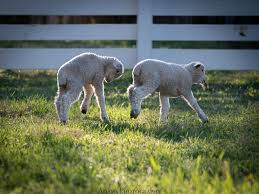
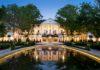
The arrival of baby lambs in Colonial Williamsburg isn’t just adorable—it’s one of the Historic Area’s most reliable signs that winter has finally packed its bags. Each March, the pastures around Francis Street, Nicholson Street, and the Governor’s Palace burst back to life as the season’s first Leicester Longwool lambs make their debut, signaling renewal in the same way they did in the 18th century.
A Tradition Rooted in History
Colonial Williamsburg’s lambs aren’t just cute—they’re part of the Rare Breeds Program, a preservation effort dating back to the 1980s. The Leicester Longwool sheep, originally developed in England in the 1740s, were prized in colonial America for their lustrous wool and calm temperament. George Washington even raised them at Mount Vernon.
By the time the program began, the breed had vanished from the U.S. entirely. The first modern flock arrived in Williamsburg in 1990 from Tasmania, and today the population has grown to thousands nationwide—thanks in part to the lambs born each spring in the Historic Area.
Why Lambing Season Means Spring in Williamsburg
As soon as the weather warms, ewes begin giving birth, and the lambs are rotated through some of the most scenic corners of the Historic Area—Waller Street, the Prentis Pasture, the fields behind the Governor’s Palace, and the corner of Francis & Colonial Streets. Their playful leaps and tiny bleats are the soundtrack of spring.
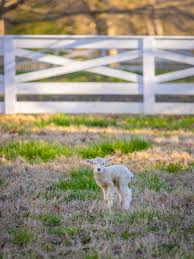
In colonial times, lambing season marked the start of the agricultural year. New lambs meant new wool, new trade opportunities, and the promise of prosperity. Today, visitors gather at the fences just as colonists once did, watching the next generation of a historic breed take its first steps.
Lambs are sheared twice in their first year, and that first growth of wool is considered the highest quality—another reason spring was (and still is) a season of renewal for Williamsburg’s weavers and craftspeople.
Where to Spot the Lambs
If you’re wandering the Historic Area in March or April, keep an eye on these hotspots:
- Francis St. & Colonial St.
- Prentis Field near Duke of Gloucester St.
- Waller Street behind the Blue Bell Tavern
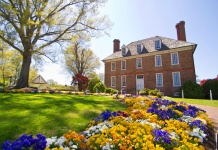
- Fields near the St. George Tucker House
- Pasture behind the Governor’s Palace gardens
These locations rotate, so part of the fun is the gentle “lamb safari” as you stroll through the world’s largest living history museum.
Why We Keep Coming Back
There’s something timeless about watching a lamb wobble through its first steps on a warm spring morning. In a place dedicated to preserving the past, these tiny animals. Don’t forget them when they grow up !