








Why It Still Shapes Virginia Today
It redrew the map. After the attack, English settlers consolidated into fortified zones and pushed harder into Powhatan territory, laying the groundwork for Williamsburg’s eventual rise as a colonial capital
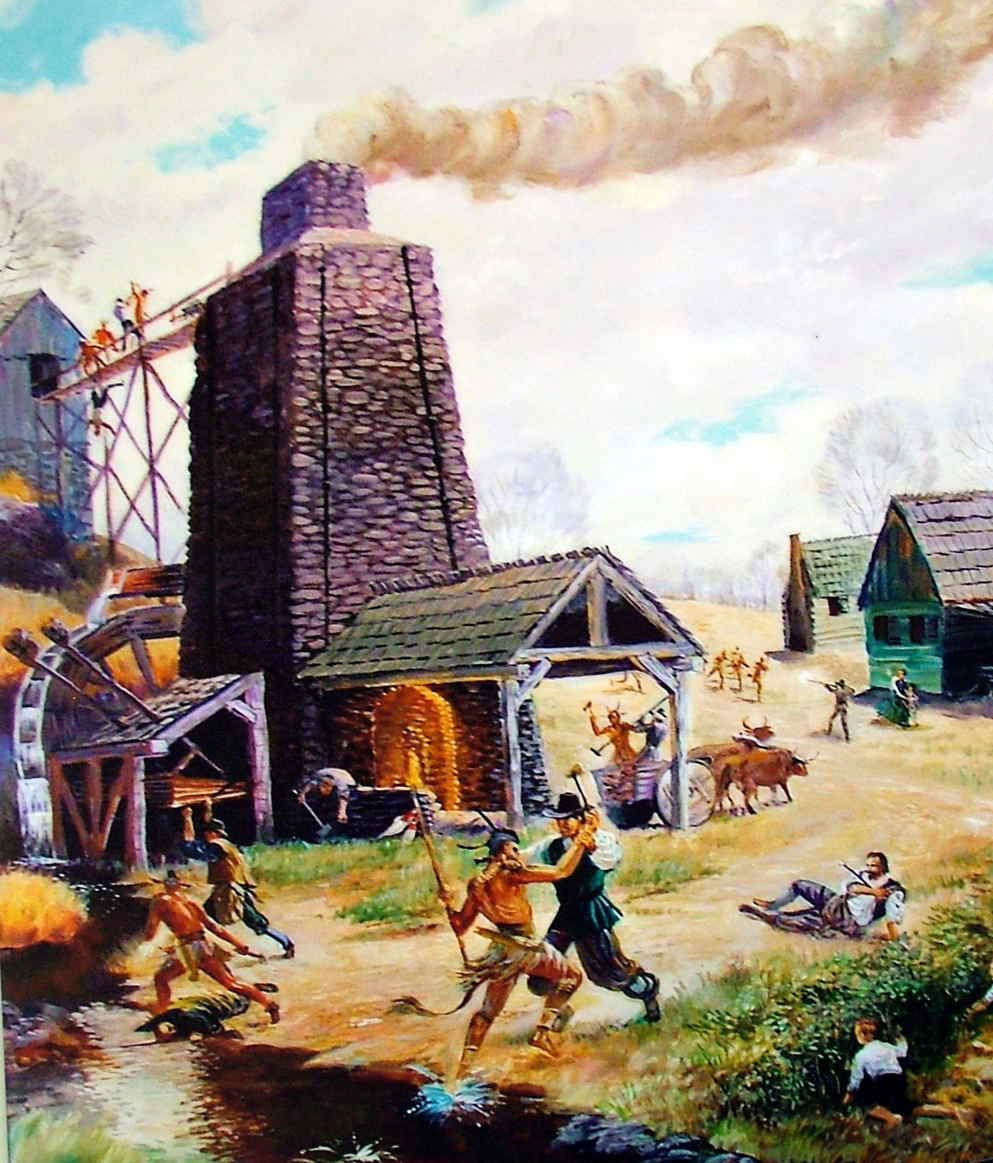
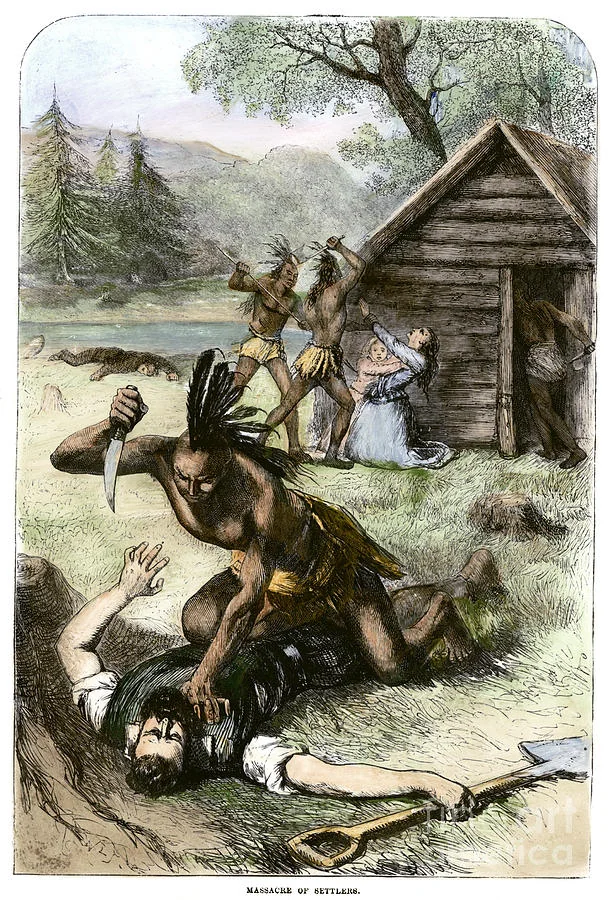
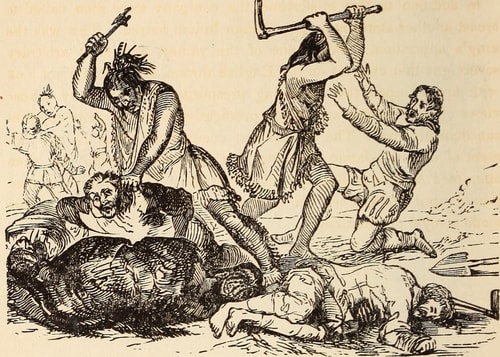
In 1622, long before Virginia was known for craft breweries and Colonial Williamsburg day trips, the region was the site of one of the most consequential clashes in early American history. On March 22, Powhatan warriors launched a coordinated assault on English settlements surrounding Jamestown, killing 347 colonists in a single day. The attack, led by Opechancanough, wasn’t some random outburst — it was a calculated strike meant to halt the relentless English expansion that was swallowing Powhatan land faster than modern tourists swallow Chesapeake crab cakes.
Tensions had been simmering for years. The English kept pushing outward from Jamestown, clearing forests for tobacco plantations and disrupting Powhatan hunting grounds. The brief peace created by the marriage of Pocahontas and John Rolfe had long since faded, replaced by suspicion, cultural clashes, and the colonists’ charming habit of assuming every acre of Virginia was theirs for the taking. By 1622, Opechancanough decided enough was enough, organizing a surprise attack that hit plantations and outposts up and down the James River.
The assault was swift and devastating. Powhatan warriors, many of whom had been working alongside the English as laborers or trading partners, turned on the settlers with little warning. Homes were burned, families were killed, and entire outlying communities were wiped out before Jamestown received a last‑minute warning that allowed it to brace for the attack. Today, many of the sites involved sit quietly along scenic byways and riverfront trails — the kind you might stroll on after visiting Historic Jamestowne or the Jamestown Settlement Museum — without any hint of the chaos that once unfolded there.